
Firstly people get confused among the words storm , hurricane , cyclone...are they same or different?
Basically those storms are called hurricanes when they develop over the North Atlantic, central North Pacific, and eastern North Pacific, when they form over the South Pacific and Indian Ocean, they are called cyclones and typhoons when they develop in the Northwest Pacific.
Detecting cyclones is a crucial aspect of forecasting and mitigating their impact. Meteorological organizations around the world employ a variety of tools and technologies to track and monitor these storms. The primary methods used for cyclone detection include satellite imagery, radar systems, and data buoys.
Satellites play a vital role in detecting cyclones by providing real-time images of the Earth's atmosphere.
These images help meteorologists identify cyclone formation, track their movement, and estimate their intensity. Advanced radar systems enable the detection of cyclones closer to land, providing valuable information about their structure, rainfall patterns, and wind speeds. Additionally, data buoys deployed in the oceans collect essential data about sea surface temperatures, atmospheric pressure, and wind patterns, aiding in the early detection and tracking of cyclones.
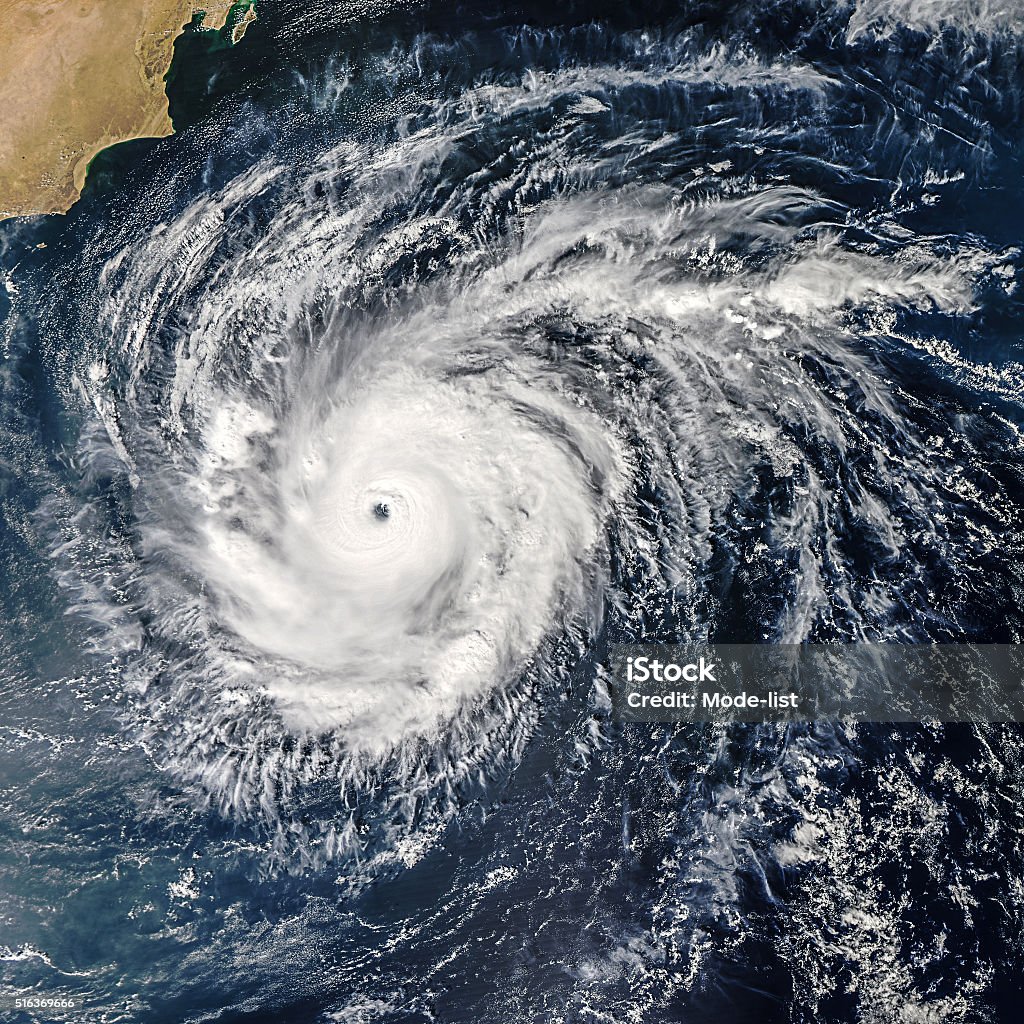
Satellite image of a hurricane
Over the years, the country has witnessed numerous severe cyclones, causing significant destruction. One of the most devastating cyclones in Indian history was the Super Cyclone of 1999, which struck the state of Odisha (then known as Orissa).
The Super Cyclone of 1999 was an extremely intense storm with sustained wind speeds of 260-270 km/h (160-165 mph). It made landfall near the city of Puri on October 29, 1999, and resulted in widespread devastation. The cyclone caused severe flooding, uprooted millions of trees, destroyed countless homes, and claimed over 10,000 lives. The extent of the damage prompted significant efforts to improve cyclone preparedness and disaster response in the region.
The process of naming cyclones is essential for effective communication and easier identification of these weather systems. Different meteorological organizations across the world follow distinct naming conventions. The World Meteorological Organization (WMO) and the regional specialized meteorological centers assign names to cyclones in different oceanic basins.
In the Indian Ocean region, cyclones are named by the Indian Meteorological Department (IMD).
The IMD uses a predefined list of names, which are suggested by eight member countries: India, Sri Lanka, Bangladesh, Thailand, the Maldives, Myanmar, Oman, and Pakistan. The naming of cyclones follows a specific order, alternating between male and female names.
This naming convention not only helps in clearly distinguishing between different cyclones but also aids in maintaining records and studying the historical patterns and behavior of these storms.
The reader can see a list of all names validated by ministry of Earth Sciences here. The list was last updated on 28 April 2020.

